- Home
- Equipment
- Industries
- We Immay
- Resource
- Contact
Author: Site Editor Publish Time: 2025-10-17 Origin: Site
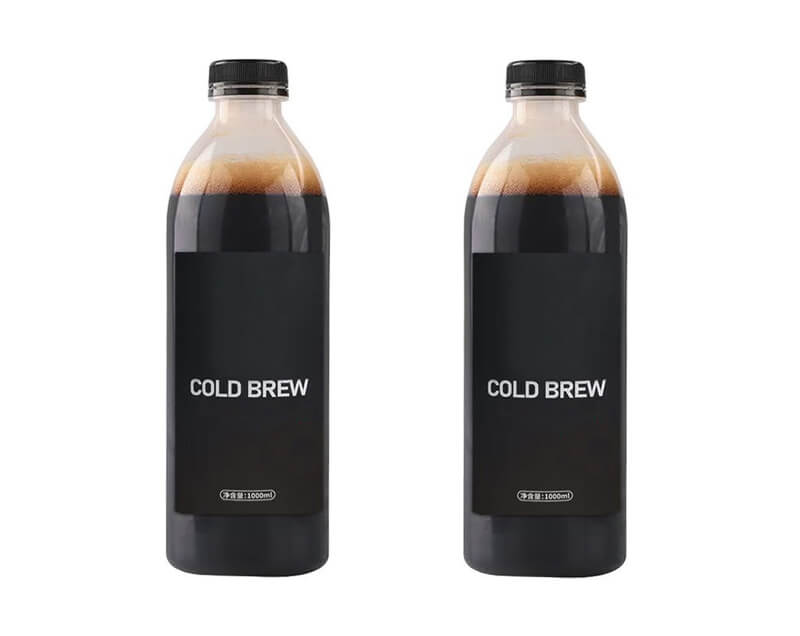
Among the many flavor profiles in the world of coffee, cold brew offers a quieter expression.
It uses cold water as a medium, allowing the coffee grounds to slowly release their aroma and richness over time.
This gentle and gradual process gives cold brew coffee a smooth texture and mellow acidity, making it a beverage category that has drawn significant attention in the modern drinks market.
As cold brew evolves from handcrafted preparation to large-scale production, precise control of techniques and processes becomes essential.
How can the flavor remain consistent in every extraction?
How can the characteristics of low-temperature extraction be preserved throughout an industrial process?
Understanding the essence of cold brew coffee is the starting point for all process design.
This is the first step in industrial cold brew coffee production — the principle and control of extraction.
Cold brew coffee is produced by immersing coffee grounds in cold water, typically between 5 and 25°C, for an extended period. This low-temperature extraction allows the coffee’s soluble compounds to slowly diffuse into the water, highlighting its natural sweetness, aroma, and depth. The gentle and gradual process minimizes the release of harsh or bitter components, resulting in a smooth, mellow beverage with balanced flavor and a refined mouthfeel. Over time, this method produces a distinctive richness and clarity that has made cold brew coffee a popular choice in the modern beverage market.
The production of industrial cold brew coffee begins with high quality, uniformly ground coffee powder. Consistent particle size is crucial, as it directly affects extraction efficiency and the balance of flavors in the final beverage. Prior to extraction, the coffee powder is typically screened or inspected to ensure uniformity, removing any oversized or irregular particles that could compromise the extraction process.
The coffee powder is then combined with cold water in stainless steel extraction tanks at a carefully measured ratio. The mixture is allowed to steep for 8 to 24 hours, depending on the desired strength and flavor profile. This prolonged, low-temperature process allows the soluble coffee compounds to gradually diffuse, producing a smooth and aromatic cold brew. Throughout extraction, the environment is kept clean to prevent contamination and maintain the clarity of the beverage.
After the extraction period, the coffee liquid undergoes filtration to remove coffee grounds and any suspended particles. Multi-stage filtering systems are often used to ensure the cold brew is clear and free of sediments. The resulting clarified coffee concentrate is ready for blending or direct packaging, providing a consistent base for the final product.
Once clarified, the cold brew is blended with additional ingredients according to the desired flavor profile. This may include sugar syrup, milk, or other flavorings. Thorough mixing is essential to achieve uniformity throughout the batch. Proper mixing ensures that every bottle or can delivers consistent taste and texture, meeting consumer expectations for smoothness and flavor balance.
In an industrial cold brew coffee production line, the stainless steel cold brew tank serves as core manufacturing equipment. It ensures that all ingredients are thoroughly blended, producing a consistent flavor and smooth texture in every batch.
Stainless steel is the material of choice in the food industry due to its food-grade quality, non-reactive nature, and resistance to corrosion, all of which help preserve the coffee’s natural aroma and flavor. The tank’s smooth interior minimizes residue buildup, supporting consistent product quality throughout production. Equipped with agitators, the tank carefully mixes all ingredients, helping maintain the delicate balance of flavor and texture in the cold brew coffee.
Its durability and stability make these stainless steel mixing vessels suitable for repeated, large-scale production, ensuring consistent quality and reliable operation across every batch.
Cold brew coffee has captured the hearts of busy professionals, offering a moment of calm and indulgence amid their hectic days. Its rising popularity presents an exciting opportunity for manufacturers, yet delivering excellence in every batch requires meticulous attention to detail. At the heart of this process lies the stainless steel mixing tank—carefully engineered to blend ingredients evenly, preserve delicate flavors, and create a smooth, harmonious texture in every sip.
Partnering with IMMAY means more than just acquiring equipment; it’s gaining a trusted collaborator dedicated to elevating your production. Our stainless steel tanks combine durability, precision, and efficiency, enabling manufacturers to scale confidently while maintaining consistent quality and exquisite flavor.
Contact IMMAY today to discover how our solutions can help you craft cold brew coffee that delights the senses and seizes the potential of this thriving market.