- Home
- Equipment
- Industries
- We Immay
- Resource
- Contact
Author: Site Editor Publish Time: 2025-09-26 Origin: Site
Acne remains one of the most common skin concerns across the globe, driving continuous demand for cosmetic products that address both prevention and treatment. Today’s consumers expect solutions that not only reduce breakouts but also maintain skin balance and long-term health.
Alongside this demand, natural ingredients have gained strong momentum in anti-acne skincare. Consumers increasingly prefer botanical-based actives over harsh chemicals, seeking effective yet gentle alternatives that align with clean beauty trends.
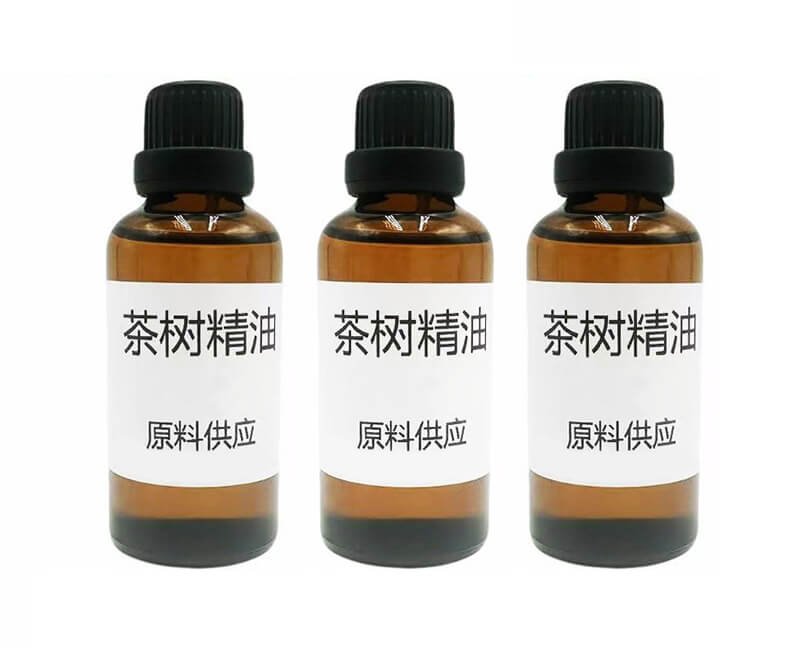
Among these natural options, tea tree oil stands out for its proven antibacterial and soothing properties. Its versatility makes it a preferred choice in cleansers, serums, spot treatments, and creams, setting the stage for a closer look at why tea tree oil is considered highly effective for acne-prone skin.
The therapeutic benefits of tea tree oil largely come from its key bioactive component, terpinen-4-ol. This compound has been shown to exhibit strong antimicrobial and anti-inflammatory activity, making it particularly effective for acne-prone skin. Terpinen-4-ol helps regulate microbial growth on the skin surface and reduces excessive sebum oxidation, both of which are common triggers of breakouts. Its presence also enhances skin clarity by addressing the underlying causes of acne rather than just masking the symptoms.
One of the main reasons tea tree oil is valued in acne care is its ability to fight Cutibacterium acnes (C. acnes), the bacteria commonly associated with acne development. By disrupting bacterial cell membranes and reducing colonization within clogged pores, tea tree oil lowers the likelihood of new breakouts. Unlike some synthetic antibacterial agents, it does not contribute significantly to bacterial resistance, making it a safer long-term option for skincare formulations.
Acne is not only a bacterial issue but also an inflammatory condition. Tea tree oil demonstrates strong anti-inflammatory activity, helping to reduce redness, swelling, and discomfort associated with acne lesions. This soothing effect makes it especially suitable for sensitive or irritated skin, where harsher chemical actives may cause dryness or burning sensations. By calming inflammation, tea tree oil supports faster recovery of blemishes and contributes to smoother overall skin texture.
Conventional anti-acne agents such as benzoyl peroxide and salicylic acid are effective but often associated with side effects like dryness, peeling, or irritation. Tea tree oil provides a gentler alternative while maintaining strong antibacterial and anti-inflammatory performance. In some formulations, tea tree oil is used alongside these conventional actives to achieve a synergistic effect: reducing acne severity while improving skin comfort. This balance of efficacy and mildness positions tea tree oil as a versatile ingredient in modern acne-care cosmetics.
Cleansing is the first and most essential step in acne care routines. Tea tree oil is frequently incorporated into face washes and foam cleansers due to its ability to remove excess sebum, dirt, and impurities while reducing the microbial load on the skin. Unlike harsh surfactants that can strip the skin barrier, tea tree oil–based cleansers provide gentle yet effective purification, leaving the skin refreshed and less prone to new breakouts.
Toners and serums containing tea tree oil are designed to penetrate deeper into the skin, targeting clogged pores and regulating oil production. In toners, low concentrations of tea tree oil can refine pores and maintain skin balance. In serums, its antibacterial and anti-inflammatory activity works at a higher intensity, helping prevent new blemishes while calming existing irritation. These lightweight formulations are particularly appealing for daily use by individuals with oily or combination skin.
Moisturization is critical even for acne-prone skin, as dehydration can trigger excessive sebum production and worsen breakouts. Creams and gels formulated with tea tree oil combine hydration with acne-fighting properties, offering a balanced approach to daily care. Lightweight gel-based formulas are especially favored for oily skin types, while emulsified creams provide additional nourishment for those with combination or sensitive skin. These products ensure long-term skin health while maintaining acne control.
Tea tree oil is highly potent, so careful dosage is essential. In most cosmetic formulations, concentrations between 0.5% and 5% are commonly used, depending on the product type and intended application. Lower levels are suitable for daily-use cleansers and toners, while slightly higher levels may be considered in targeted spot treatments. Staying within the recommended range helps ensure effectiveness without causing irritation.
To optimize performance and reduce potential irritation, tea tree oil is often blended with carrier oils such as jojoba or sunflower oil. These carriers help dilute the essential oil and enhance skin compatibility. In addition, pairing tea tree oil with humectants like glycerin or hyaluronic acid ensures hydration balance, while combining it with other botanical extracts such as aloe vera or green tea can enhance soothing and antioxidant effects.
Tea tree oil is relatively volatile and sensitive to oxidation, which may reduce its efficacy over time. Proper formulation techniques such as using airtight containers, UV-protective packaging, and antioxidant stabilizers can help maintain product integrity. Compatibility testing is also important, as tea tree oil should not be combined with highly reactive ingredients that may cause skin irritation or instability in the final product.
While tea tree oil is generally safe for cosmetic use, it can be irritating at high concentrations or on very sensitive skin. Formulators need to conduct dermatological testing to ensure mildness. Encapsulation technologies or gradual-release systems are sometimes applied to reduce direct skin contact and enhance tolerance. Clear labeling and usage instructions also play a role in ensuring consumer safety.
IMMAY specializes in advanced cosmetic mixing and emulsification machine designed to meet the specific requirements of anti-acne formulations. Precise control of mixing speed and temperature ensures that active ingredients such as tea tree oil are evenly dispersed and remain stable throughout the production process. This expertise helps beauty manufacturers achieve consistent product quality across every batch.
IMMAY offers cosmetic manufacturing machine tailored to the specific production requirements of different anti-acne products. Whether producing lightweight serums, soothing gels, or hydrating creams, manufacturers can select machinery configurations that match batch size, processing speed, and formulation viscosity. This flexibility supports efficient scaling and ensures that each product type meets its intended performance standards.
Tea tree oil plays a central role in anti-acne cosmetics, offering antibacterial, anti-inflammatory, and soothing benefits that address both the causes and symptoms of acne. Its versatility allows incorporation into a wide range of products, from cleansers and toners to serums, gels, and creams, providing effective care for acne-prone skin.
For manufacturers, the growing demand for natural anti-acne solutions represents a significant opportunity to expand product lines and scale production. IMMAY provides professional cosmetic mixing machine solutions that help ensure tea tree oil formulations remain consistent, stable, and high quality across every batch, giving producers confidence in both performance and consumer satisfaction.