- Home
- Equipment
- Industries
- We Immay
- Resource
- Contact
Author: Site Editor Publish Time: 2025-08-28 Origin: Site
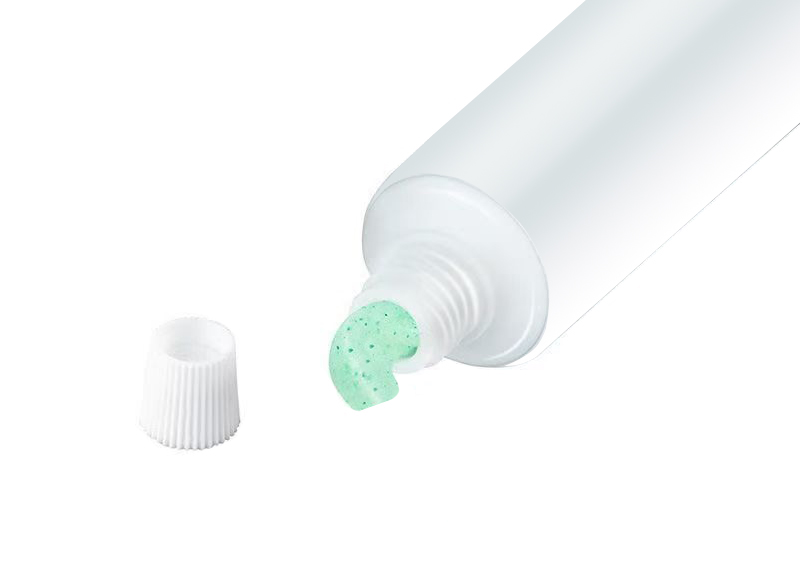
Toothpaste is one of the most widely used oral care products, and its formulation requires high standards of purity and consistency. Water is not just a carrier ingredient; it directly influences the stability, effectiveness, and appearance of the final product. This is why deionized water plays a crucial role in toothpaste production.
Many toothpaste formulations contain active ingredients such as sodium fluoride, triclosan alternatives, or antibacterial agents. If regular water containing calcium, magnesium, or iron ions is used, these ions can react with active compounds. Such reactions reduce the bioavailability of fluoride, compromise its anti-cavity benefits, and may even lead to visible precipitation or discoloration. By using deionized water, toothpaste manufacturers ensure that no interfering ions disrupt the stability or functionality of the toothpaste.
Beyond chemical interactions, water quality also affects the physical consistency and shelf life of toothpaste. Impurities in untreated water can trigger microbial growth, alter viscosity, or cause separation of ingredients during storage. Deionized water minimizes these risks, helping the toothpaste maintain a smooth, homogeneous texture and consistent performance throughout its shelf life. This level of stability not only preserves product quality but also reinforces consumer trust in the brand.
Deionized water (DI water) is water that has had its dissolved mineral ions, such as calcium, magnesium, sodium, chloride, and sulfate, removed through purification processes. In toothpaste production, it provides a highly stable base, preventing ionic contaminants from interfering with the formulation and ensuring consistent quality.
DI water is purified water containing extremely low levels of dissolved ions. Unlike tap water, which carries minerals and salts, DI water is almost free of these impurities, making it suitable for applications in toothpaste, pharmaceuticals, and cosmetics.
Deionized water is defined by its high purity and low conductivity. It contains no calcium or magnesium ions, eliminating the risk of scale formation or precipitation. For toothpaste production, this ensures that active ingredients such as fluoride remain stable and effective, while the final product maintains a smooth, consistent texture.
In toothpaste manufacturing, high purity water is essential to ensure the stability and effectiveness of active ingredients. Most toothpaste factories use industrial 2 stage reverse osmosis (RO) water purification machines to produce deionized water suitable for sensitive toothpaste formulations.
The first RO stage removes the majority of dissolved salts, suspended solids, and impurities, significantly lowering the ionic content.
The second RO stage further purifies the water, typically reducing its conductivity to below 1 μS/cm. This ensures that calcium, magnesium, and other metal ions do not interfere with toothpaste ingredients such as fluoride or abrasives.
For certain high-end or specialty toothpaste formulations, an EDI unit can be added after the 2 stage RO. EDI continuously removes residual ions without chemical regeneration, providing extra stability and ultra-pure water quality. The inclusion of EDI depends on your specific toothpaste production line requirements.
Deionized water plays a critical role in toothpaste production, affecting both the chemical stability of active ingredients and the physical properties of the final product. Its high purity ensures consistent quality, smooth texture, and extended shelf life.
DI water prevents reactions between fluoride ions and metal ions such as calcium and magnesium. By eliminating these interactions, it preserves the anti-cavity efficacy of fluoride and other active components, ensuring the toothpaste maintains its intended functionality throughout its shelf life.
Deionized water acts as an effective solvent, enabling uniform dissolution of key ingredients like glycerin, sorbitol, and surfactants. This ensures that all components are evenly distributed throughout the paste, which is essential for consistent performance and texture.
High-purity water contributes to a smooth, homogeneous consistency of toothpaste. It minimizes graininess or uneven dispersion of abrasives, resulting in a fine, spreadable product that enhances user experience.
By reducing the presence of dissolved minerals and impurities, DI water lowers the risk of microbial growth and precipitation. This helps maintain product stability, appearance, and effectiveness over time, contributing to longer shelf life and reliable quality.
Using high-purity deionized water in toothpaste production offers multiple advantages, directly impacting product quality, stability, and consumer experience.
Deionized water removes dissolved minerals and metal ions, ensuring the toothpaste base is free from contaminants. This reduces the risk of chemical interactions and helps maintain the overall safety of the product for daily oral care.
High-purity water preserves the effectiveness of active ingredients such as sodium fluoride and xylitol. By preventing reactions with calcium, magnesium, or other metal ions, DI water ensures that these components retain their anti-cavity and anti-bacterial functions throughout the product’s shelf life.
Metal ions in untreated water can react with toothpaste components, leading to color changes, sediment formation, or uneven texture. Using deionized water minimizes these risks, maintaining the toothpaste’s uniform appearance and consistent formulation.
By ensuring a smooth, homogeneous paste, deionized water enhances user perception of texture, spreadability, and mouthfeel. A visually appealing and consistent product supports better acceptance and satisfaction among consumers.
Deionized water, also referred to as purified water, is an essential foundation in toothpaste formulations. Its high purity directly impacts the stability, effectiveness, and overall quality of the product, while also influencing consumer experience in terms of texture, appearance, and performance.
Selecting the appropriate deionized water purification system is a critical step for toothpaste manufacturers aiming to maintain consistent quality and enhance competitiveness. IMMAY provides advanced industrial 2 stage RO water treatment systems, with optional EDI polishing, tailored to the specific needs of toothpaste production lines. By consulting IMMAY’s experts, toothpaste manufacturers can optimize their water treatment process and ensure reliable, high quality toothpaste output.