- Home
- Equipment
- Industries
- We Immay
- Resource
- Contact
Author: Site Editor Publish Time: 2026-08-13 Origin: Site
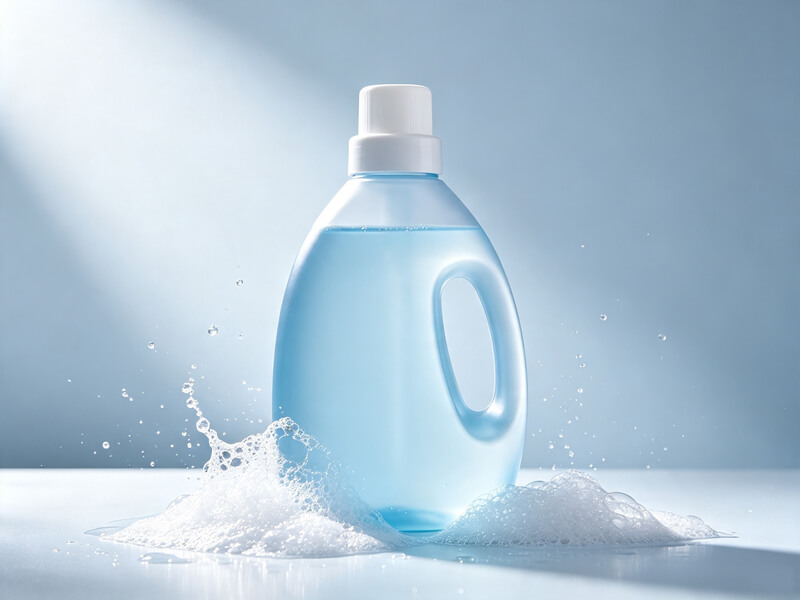
Setting up a liquid detergent production line involves more than purchasing a mixing tank and filling machine. The equipment required depends on factors such as production capacity, formulation characteristics, automation goals, available factory space, and future expansion plans. Because these requirements vary from one manufacturer to another, there is no standard equipment configuration that suits every production facility.
Understanding the role of each machine before making a purchasing decision can help manufacturers avoid unnecessary investment while building a production line that matches their production needs. From water treatment and mixing to storage and filling, every piece of equipment contributes to production efficiency, product consistency, and future scalability.
This guide explains the essential equipment commonly used in liquid detergent manufacturing, how each machine fits into the production process, and the key factors buyers should evaluate when comparing different production line configurations.
A common liquid detergent production line consists of several machines that work together to prepare raw materials, mix the formulation, and package the finished product. While the exact configuration varies depending on production capacity, product formulation, and automation requirements, most manufacturers use the following process:
RO Water Treatment System → Raw Material Storage Tank → Liquid Detergent Mixing Tank → Holding Tank (Optional) → Liquid Filling Machine → Capping Machine → Labeling Machine
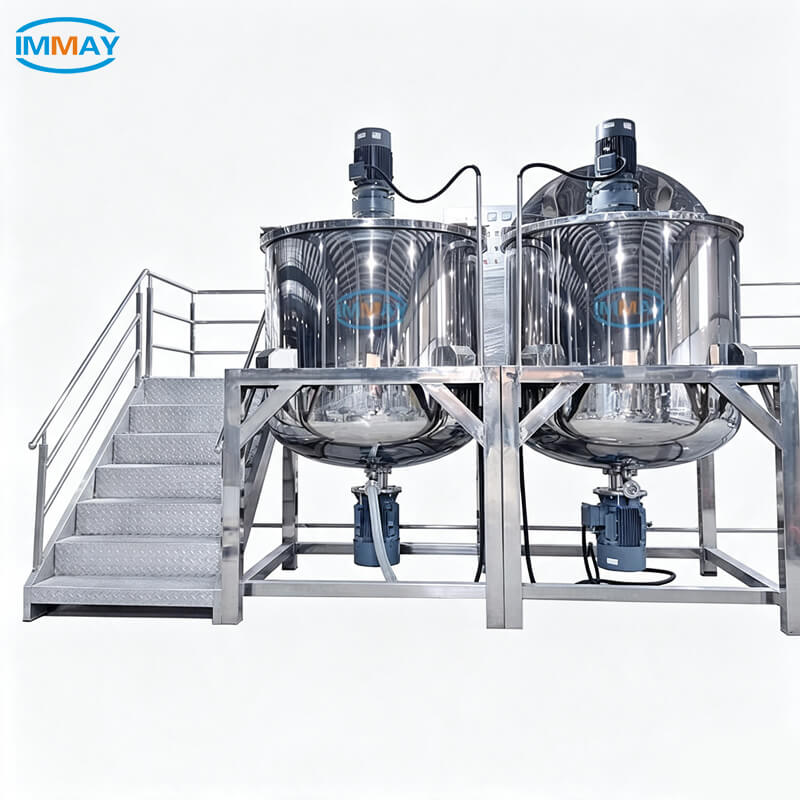
Not every liquid detergent production line requires the same equipment. Some machines are considered essential for almost every manufacturer, while others are selected based on product characteristics, production capacity, and automation requirements. Understanding which equipment is necessary and which is optional can help buyers allocate their budget more effectively and avoid unnecessary investment.
Equipment | Required? | Typical Purpose | When Is It Recommended? |
RO Water Treatment System | Optional | Produces purified water for manufacturing | Recommended when local water quality is inconsistent or purified water is required |
Raw Material Storage Tanks | Optional | Stores liquid raw materials before mixing | Useful for medium and large production facilities using bulk ingredients |
Liquid Detergent Mixing Tank | Essential | Mixes and dissolves ingredients into a homogeneous product | Required for virtually all liquid detergent production |
Holding Tank | Optional | Temporarily stores finished product before filling | Recommended for continuous filling operations or high production output |
Liquid Detergent Filling Machine | Essential | Fills finished product into bottles or containers | Required for commercial production |
Capping Machine | Essential | Applies and tightens caps | Required for most bottled products |
Labeling Machine | Optional | Applies product labels automatically | Recommended for medium and large-scale production |
Optional equipment should be selected based on actual production requirements rather than simply adding more features. The goal is to configure a production line that matches the formulation, production capacity, automation requirements, and future expansion plans. Evaluating these factors before purchasing helps manufacturers invest in equipment that supports efficient production while avoiding unnecessary complexity and cost.
Every machine in a liquid detergent production line serves a different purpose. While some equipment is essential for almost every manufacturer, others are selected based on production requirements, factory layout, product formulation, and automation goals. Understanding the role of each machine helps buyers compare different production line configurations and determine which equipment is appropriate for their manufacturing needs.
A RO water treatment system supplies the purified water used during liquid detergent manufacturing. Whether it is required depends largely on the quality of the local water supply and the formulation being produced.
For manufacturers using municipal water with consistent quality, additional water treatment may not always be necessary. However, when water quality varies significantly or purified water is preferred for product consistency, installing a water treatment system can be a practical investment.
Before purchasing, buyers should evaluate the local water source, daily water consumption, production capacity, and future production plans to determine whether a water treatment system is required.
Raw material storage tanks are used to store liquid ingredients before they enter the mixing process. They help improve production efficiency by reducing material handling and ensuring ingredients are readily available during manufacturing.
Small manufacturers may only require portable containers for raw materials, while larger factories often benefit from dedicated storage tanks for frequently used ingredients.
When selecting storage tanks, buyers should consider the number of raw materials, storage volume, available factory space, and future production expansion.
The stainless steel mixing tank is the core piece of equipment in a liquid detergent production line. It combines raw materials into a homogeneous product and can be configured with different mixing systems depending on the formulation.
A standard mixing tank is suitable for many liquid detergent formulations. However, additional features such as a heating and cooling jacket, high shear homogenizer, or vacuum system are recommended for products with special processing requirements or more complex formulations.
When comparing mixing tanks, buyers should focus on production capacity, product viscosity, agitator configuration, tank material, and any optional features required by the manufacturing process.
A liquid detergent holding tank temporarily stores finished liquid detergent before filling. It allows the mixing process and filling process to operate independently, improving production efficiency and reducing downtime.
For small batch production, a holding tank may not be necessary. However, manufacturers operating continuous filling lines or producing multiple batches each day often benefit from adding one to the production line.
Before purchasing, buyers should consider production scheduling, filling speed, available floor space, and whether future production expansion is planned.
A liquid detergent filling machine transfers the finished liquid detergent into bottles or other containers. Different filling technologies are available, and the most suitable option depends on product viscosity, container size, filling accuracy, and production speed.
Rather than selecting a filling machine based only on production capacity, buyers should also consider the range of container sizes, product characteristics, and whether different products will be filled on the same production line.
A capping machine automatically applies and tightens caps after filling. It improves production efficiency while helping maintain consistent packaging quality.
The appropriate capping solution depends on production speed, cap type, and container design. Buyers planning future production growth should also consider whether the machine can accommodate different bottle and cap specifications.
A labeling machine applies product labels to finished containers after filling and capping. Depending on production requirements, manufacturers may choose either semi-automatic or automatic labeling equipment.
Semi-automatic labeling machines are often suitable for lower production volumes or operations with multiple bottle types, while automatic labeling machines are generally preferred for higher production output and continuous production lines.
Before selecting a labeling machine, buyers should consider production capacity, container shape, label type, and whether the equipment can accommodate future product changes or production expansion.
Purchasing liquid detergent manufacturing equipment is a long-term investment. Focusing only on the initial purchase price or production capacity can lead to equipment that does not match actual production requirements. Understanding the most common purchasing mistakes helps manufacturers compare equipment more effectively and avoid unnecessary costs in the future.
Lower-priced equipment may appear attractive at first, but it may not provide the configuration, production efficiency, or long-term reliability required for your manufacturing process. Equipment should be evaluated based on overall value rather than purchase price alone.
Buying a liquid detergent mixing tank that is too small can limit production output, while an oversized tank may increase equipment costs, cleaning time, and energy consumption. Production capacity, batch size, and future production plans should all be considered before selecting tank capacity.
Different liquid detergent formulations may require different mixing configurations. Factors such as product viscosity, ingredient characteristics, heating requirements, and mixing intensity should be evaluated before selecting equipment.
Manufacturers producing multiple detergent products should consider how easily the equipment can be cleaned between batches. Equipment designed for convenient cleaning can help reduce downtime and improve production efficiency.
Many manufacturers purchase equipment based only on current production needs. However, future increases in production volume or additional product lines may require larger tanks, higher filling speeds, or expanded production capacity. Considering future growth during the initial equipment selection process can help reduce future equipment replacement costs.
Before purchasing equipment, buyers should confirm that the production line is compatible with the available factory space, utility supply, and production layout. Evaluating factors such as installation space, ceiling height, power supply, and material flow can help avoid installation challenges after delivery.
Avoiding these common mistakes involves more than selecting higher-specification equipment. Comparing equipment based on production requirements, factory conditions, operational efficiency, and long-term business goals helps manufacturers choose a liquid detergent production line that supports both current manufacturing needs and future expansion.
Selecting liquid detergent manufacturing equipment involves more than preparing a list of machines. Product formulation, production capacity, automation goals, cleaning requirements, available factory space, and future expansion plans should all be evaluated together before making purchasing decisions.
Preparing detailed production requirements and discussing process expectations with equipment suppliers before equipment design begins helps manufacturers compare different production line configurations more effectively and choose a solution that supports both current production and long-term business growth.