- Home
- Equipment
- Industries
- We Immay
- Resource
- Contact
Author: Site Editor Publish Time: 2026-09-17 Origin: Site
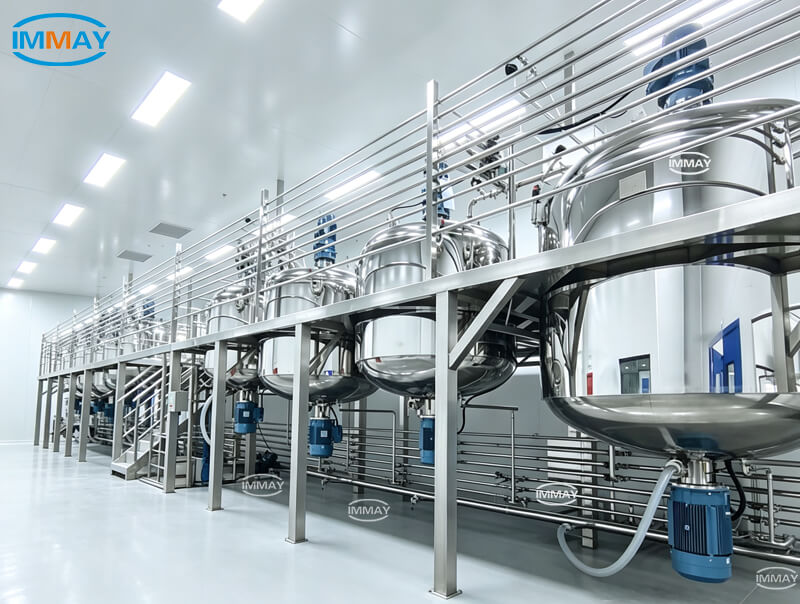
Many cosmetic manufacturers produce multiple products within the same facility. However, producing multiple products does not always mean using the same equipment configuration.
For manufacturers, equipment planning depends on the relationship between different products. Some products may share similar production processes and require equipment that can support multiple products, while others may require different equipment solutions due to differences in manufacturing methods.
Therefore, customizable equipment plays an important role in helping cosmetic factories build production systems that match their product portfolio.
Products within the same category often share similar manufacturing characteristics, which means some production equipment may be used for multiple products. However, equipment configuration still needs to be planned according to the factory’s product range and production requirements.
Some cosmetic products have similar production processes and can be handled within the same production system.
For example:
Shampoo
Shower gel
Body wash
These liquid personal care products may have similar requirements for mixing, storage, and product transfer.
However, products with similar characteristics can still differ in formulation, viscosity, and batch size. These differences can influence equipment selection and configuration when multiple products are produced using the same system.
For manufacturers producing multiple similar products, equipment planning should consider the characteristics of all products involved.
Factors such as:
number of product types
product change frequency
batch size requirements
production processes
can affect how equipment is configured and arranged.
The final equipment configuration should fit the factory’s product portfolio, production schedule, and manufacturing requirements.
Different cosmetic product categories often involve different manufacturing processes, which can lead to different equipment requirements.
Cosmetic products with different formulations and processing methods usually require different production considerations.
For example:
Liquid products such as shampoo and shower gel mainly involve mixing, storage, and transfer processes.
Cream and lotion products often involve emulsion processing, where oil and water phases are combined during production.
Perfume products involve mixing, chilling, and filtration processes that differ from many other cosmetic products.
Due to these differences in manufacturing methods, equipment planning needs to consider the specific requirements of each product category.
When a factory expands its product range, new products may require different processing conditions from the existing production system.
Manufacturers need to consider factors such as product characteristics, production methods, and equipment capabilities when planning additional production requirements.
This helps create an equipment setup that matches the factory’s product categories and manufacturing needs.
Customizable equipment allows manufacturers to develop equipment solutions based on their product range, production processes, and operating conditions. This approach helps ensure that the equipment configuration matches the actual requirements of the factory.
For factories producing multiple cosmetic products, equipment configuration can be planned according to factors such as:
product portfolio
production process
batch size
factory requirements
Different product combinations may require different equipment arrangements, depending on how the products are processed and how frequently production changes occur.
Multi-product cosmetic manufacturing involves several connected production stages, including:
mixing
storage
transfer
filling
The relationship between these stages influences how equipment is selected and arranged. A well-planned production system helps manufacturers organize different processes and maintain consistent production operations.
When planning customizable equipment, cosmetic manufacturers need to consider their current production requirements, product development plans, and overall factory conditions. These factors help determine the most suitable equipment configuration for daily operations.
The existing product range is an important factor in equipment planning.
Manufacturers should consider:
liquid products
emulsion products
Different product types may involve different processing methods and equipment requirements.
Equipment planning also needs to consider possible changes in production demand, such as:
adding new product categories
increasing production capacity
adjusting production processes
These factors can influence equipment selection and configuration over time.
The arrangement of production equipment affects how different manufacturing stages work together.
Important considerations include:
equipment arrangement
production flow
connections between processing stages
A practical equipment plan should match both the production process and the available factory space.
For multi-product cosmetic manufacturers, equipment selection is closely related to how different products are organized within the production system.
The right equipment planning should consider both the possibility of sharing equipment among similar products and the different requirements of separate product categories. A flexible equipment approach helps manufacturers build a production system that fits their current products while supporting future development.